

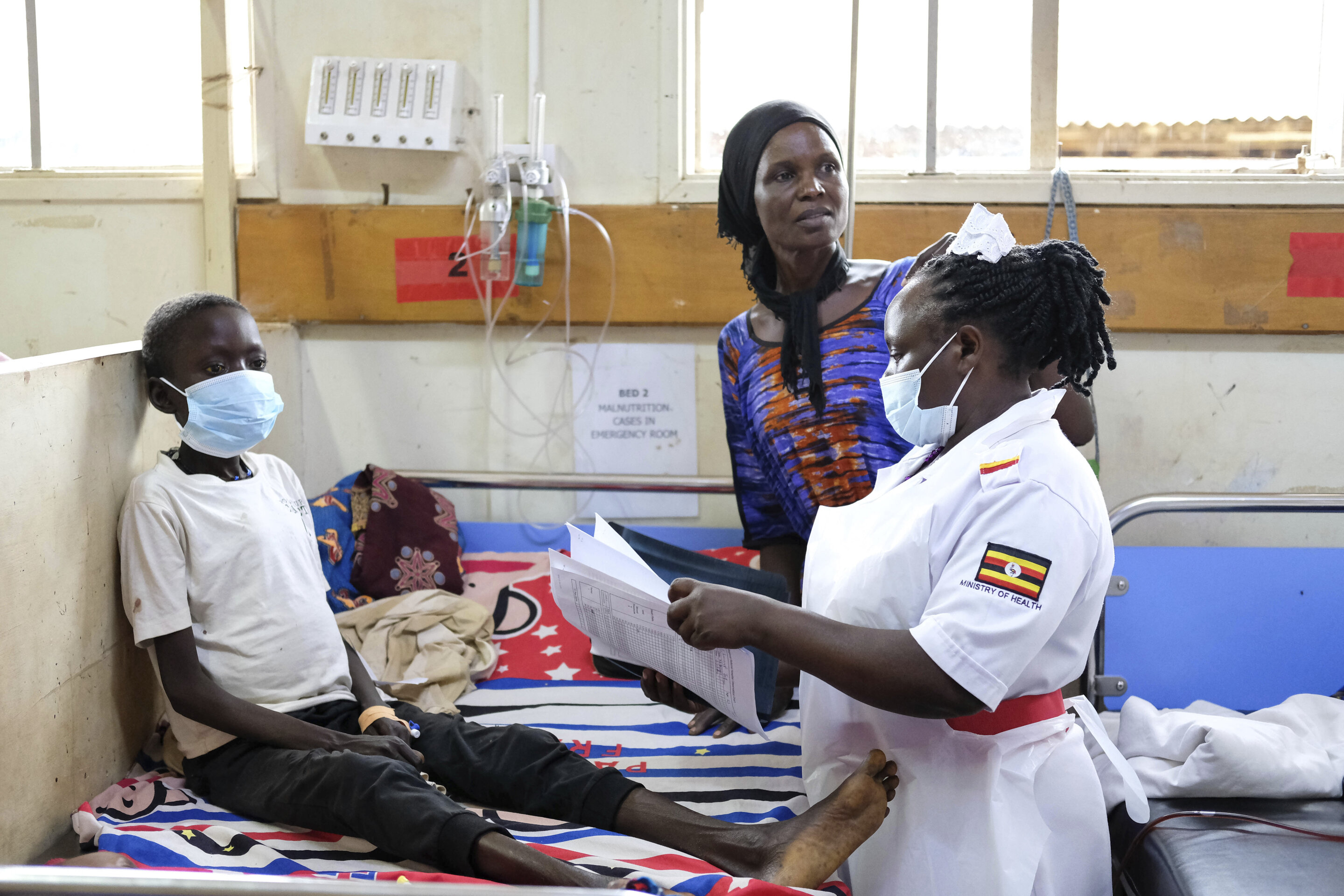
Almost five in every ten Ugandans do not trust public services, according to the latest National Governance, Peace and Security Survey (NGPSS) 2024/2025 report released on Tuesday by the Uganda Bureau of Statistics (UBOS) in Kampala.
The survey, which covered 9,000 households across the country, shows that overall trust in public institutions declined from 54 percent in 2017 to 47 percent in 2024/25.
Public confidence in local leaders, including mayors and LC3 chairpersons, also dipped slightly from 62 percent in 2017 to 59 percent.
UBOS Deputy Executive Director Vincent Ssenono said the survey focused strictly on quantitative responses about citizens’ perceptions.
“We did not delve into analysis to understand the reasons for the changes in trust. The questions were close-ended, requiring simple yes or no responses,” he said.
The report shows that 14 percent of respondents who had contact with a public official reported paying a bribe, while three in ten Ugandans felt they had experienced discrimination.
Despite the declines in some areas, the survey registered improvements elsewhere. Public confidence in hospitals and clinics rose to 75 percent, up from 69 percent in 2017.
Trust in Parliament increased from 47 percent to 52 percent, and confidence in the Court of Justice grew from 47 percent to 56 percent.
Police institutions also saw improved trust levels, rising from 46 percent in 2017 to 60 percent in 2024/25.
Sharon Apio, the UBOS Head of Demography and Social Statistics, said public perception of politicians’ responsiveness improved from 29 percent in 2017 to 39 percent in 2025, while the proportion of people who felt MPs listened to them rose from 32 percent in 2021 to 35 percent in 2025.
Trust in Local Council leaders increased from 65 percent to 74 percent, and confidence in traditional leaders rose from 63 percent to 68 percent.
The survey found that eight in ten Ugandans view poverty as a security threat, down from 93 percent in 2017. Other major threats cited included unemployment, hunger, criminal violence, health hazards, violence against women and evictions.
UBOS reported that Uganda’s 2024 population stands at 45.9 million, with 25.4 percent within the working-age bracket of 14–64 years. Of this group, only 9.4 million are employed.
Apio said the mixed results highlight a need for continued institutional reform and closer engagement with citizens.
“The survey focuses on the quantitative aspects of public trust. Understanding the reasons behind these perceptions requires further qualitative research,” she said.
Officials noted that the NGPSS data are crucial for implementing the National Development Plan and achieving Goal 16 of the Sustainable Development Goals, which focuses on peace, justice and strong institutions.
The findings offer key insights for improving governance, security and public service delivery in Uganda and other African countries.
